Beyond the "Survivor" Label: How to Reclaim Your Identity After Childhood Trauma
Share this:
Beyond the "Survivor" Label: Reclaiming Your Identity After Childhood Trauma
There is a moment that many of us who have lived through childhood trauma know intimately. It’s not the moment the trauma happened—though those are etched into us in their own ways. It’s the moment you realize that the trauma has somehow become *who you are*.
It’s the subtle shift where "I experienced something terrible" transforms into "I am damaged." Where "I survived" becomes the first and most important thing people know about you. Where your scars aren't just marks of the past, but the blueprints for your entire future.
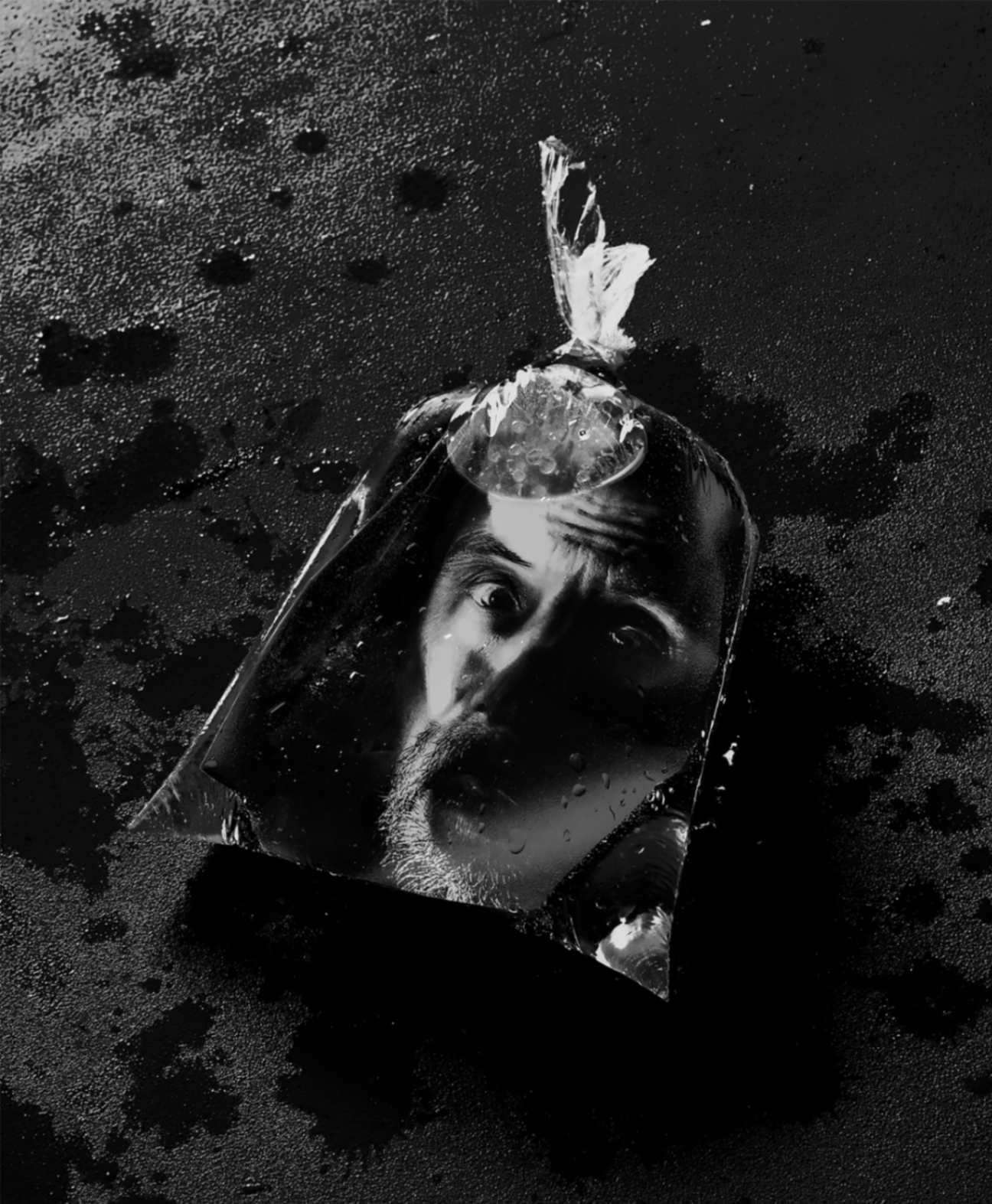
I call this the "Invisible Prison." It’s a set of bars made of labels we didn't choose, but eventually accepted as the truth of our existence.
For years, I lived in that prison myself. I carried the label of "The Strong One." I was the person who had it all together, who survived the unsurvivable, who didn't need anything from anyone. On the outside, people admired my resilience. But on the inside, "The Strong One" was a cage. I couldn't be vulnerable. I couldn't admit to hurting. I was so busy surviving that I had forgotten how to simply *be*.
If you’ve ever felt like your trauma is a permanent address rather than a chapter of your story, this is for you.
The Labels We Carry
When we experience trauma as children, we are in the middle of building our foundations. Adult trauma strikes a finished building; childhood trauma strikes while the concrete is still wet. It becomes part of the structure itself.
To survive, we adopt roles and labels. These weren't just names; they were adaptations. They were the tools our nervous systems used to keep us alive in an environment that wasn't safe.
* **"The Victim":** The label of powerlessness. It correctly places responsibility on the perpetrator, but it can freeze us in the moment of trauma, making us feel like life is something that happens *to* us, never *by* us. * **"The Survivor":** Widely seen as the empowered choice, but it can become its own trap. A survivor is someone who is perpetually in relationship to threat. If "Survivor" is your whole identity, you’re always in battle mode. * **"The Broken One":** The devastating belief that you are like a shattered vase—permanently marred, never to be whole again. * **"The Strong One":** My personal cage. The identity of invulnerability that prevents genuine intimacy because closeness requires the very vulnerability we’ve learned to fear.
From "Traumatized" to "Whole Person"
The goal of healing isn't to erase the past. We can't pretend the trauma didn't happen. What we can do is change our relationship to it.
There is a profound difference between being a "traumatized person" and being a "whole person who experienced trauma." One makes the trauma the sun around which your entire life orbits. The other recognizes trauma as a significant, shaping part of your story—but not the whole story.
Your trauma is part of your narrative. But it does not get to write the ending.
5 Steps to Reclaim Your Identity Beyond Trauma
Reclaiming your identity is about moving from survival to integration. It’s about finding the "you" that existed before the world told you who you had to be to survive.
1. Recognize the Labels Start by taking an inventory. What labels are you carrying? Which ones were given to you by others, and which ones did you adopt yourself? Simply naming the "Invisible Prison" is the first step toward walking through the gate. Ask yourself: "Is this label who I am, or is it how I coped?"
2. Honor the Protective Function Before we can release these identities, we must thank them. Your "Strong One" persona kept you safe. Your "Invisible One" adaptation protected you from notice when notice was dangerous. These identities aren't flaws; they are evidence of your survival intelligence. Acknowledge their service so you can gently retire them.
3. Audit Your "Trauma Story" How often do you lead with your trauma? In new relationships, in your work, or even in your self-talk? If your trauma is the "first line" in your introduction, start practicing a different opening. What else is true about you? Are you an artist? A gardener? A friend who makes the best coffee? These things are just as "real" as your trauma.
4. Practice the "Both/And" Healing lives in the middle ground. You can be *both* a person who was deeply hurt *and* a person who is capable of immense joy. You can *both* have triggers *and* have dreams for a future that is completely different from your past. Don't let your history force you into a single, narrow identity.
5. Re-Wire the Narrative through Action Neuroplasticity tells us our brains can change. But they change through repetition. Start taking small actions that contradict your trauma label. If you are "The Strong One," ask for help with something small. If you are "The Broken One," take a class to learn a new skill. Each small action is a vote for your new, authentic identity.
Your Journey Beyond Survival
You have already paid a high price for your survival. You don't have to keep paying that price every day for the rest of your life.
Your value was never yours to lose. It wasn't destroyed by what happened to you. It was covered over, perhaps, or hidden away for safety—but it is still there, whole and unassailable.
You are not a diagnosis. You are not a set of symptoms. You are a complex, evolving, and infinitely valuable human being. It’s time to stop living as if you are still at the mercy of your past. It’s time to come home to yourself.
***
**Ready to dive deeper into reclaiming your authentic self?**
Pick up a copy of **[Overcoming Preset Identities: Book 2 - For Trauma Survivors](https://amouthfulofmasterpieces.com/books/overcoming-preset-identities-book-2-trauma)**. This book is a roadmap for moving beyond the labels of the past and building a foundation of wholeness.
You can also explore the complete journey with the **[Overcoming Preset Identities 7-Book Series Bundle](https://amouthfulofmasterpieces.com/books/overcoming-preset-identities-complete-series)**, covering everything from parenting and masculinity to mental health and teenager social hierarchies.
Your story is yours to tell. Let's make sure you're the one holding the pen.
Ready to Transform Your Life?
Explore our books and digital products designed to guide your journey of self-discovery.
Explore Books